GRIPEDIA FIELD GUIDE • Beginner-to-Advanced Set How-Tos • HOLLYWOOD, CALIFORNIA, USA
Rope Care, Cinema Knots & Trucker's Hitch Rigging Standards
Every film grip knot demystified: Bowline, Clove Hitch, Two Half Hitches & Trucker's Hitch — plus #4 trickline vs. #8/#12 sash cord specs, mechanical advantage limits, and fraying rejection rules.
Direct Field Answer: Grip ropework transfers huge exterior wind forces through four knots (Bowline, Clove Hitch + Half Hitches, Trucker's Hitch, Alpine Butterfly) tied in low-stretch braided polyester trickline (#4) or sash cord (#8 / #10 / #12)—never stretchy nylon rope, and always inspected before every overhead pull.
1. Cinema Rope Types, Sizes & Field Deployment
| Cordage Type | Diameter | Core Fiber & Stretch | Breaking Strength (New Ref.) | Primary Grip / Electric Application |
|---|---|---|---|---|
| #4 Black Trickline | 1/8" (3.2 mm) | Matte Black Solid Braid Polyester (<5% stretch) | ~350–450 lbs tensile | Tying overhead rags to frames, bundling cables, hidden camera tethers |
| #8 Sash Cord | 1/4" (6.4 mm) | Braided Polyester / Cotton Cover | ~900–1,200 lbs tensile | Medium frame corner guying, cart lashing, ladder safety tie-offs |
| #10 / #12 Heavy Sash | 5/16"–3/8" (8–9.5 mm) | High-Tenacity Low-Stretch Polyester | ~1,500–2,400 lbs tensile | 12×12 / 20×20 high-stand exterior wind guy-lines & ground stakes |
| Dyneema / HMPE AmSteel | 1/8"–3/16" | Ultra-High Modulus Polyethylene (<1%) | 2,500–5,000+ lbs | Specialty stunt/condor guy spans (never use around high heat >150°F!) |
2. Diagram: The Big Four Grip Knots & Force Paths
3. Rope Inspection, Heat Melting & Retirement Criteria
- Every Knot Weakens Rope by ~25%–50%: Account for knot efficiency reductions cleanly—maintain minimum
5:1working safety factor below tensile rating for static loads and never fly heavy fixtures solely by textile cordage (use rated steel wire rope or polyester spansets!). - Retire Frayed, Glazed, or UV-Chalked Cord Immediately: Any soft flat spots (
broken core strands), shiny melted fibers (ropes slipped rapidly around Speed-Rail), or acid/oil saturation triggers instant knife cut-up and replacement. - Always Whip / Sear Synthetic Ends: Trim cuts at
45°and seal frayed polyester tips lightly with a lighter so #4 trickline slides cleanly through tiny grommets.
GRIPEDIA ACADEMY • 100% FREE INTERACTIVE LAB
Practice This Standard & Earn Certification: Track 04: Camera, Optics & Dolly Rigging
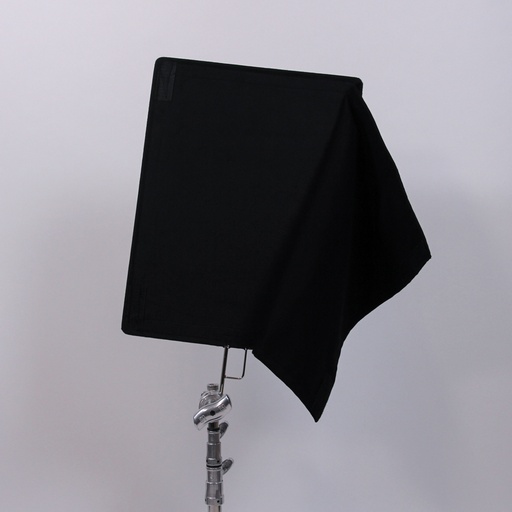
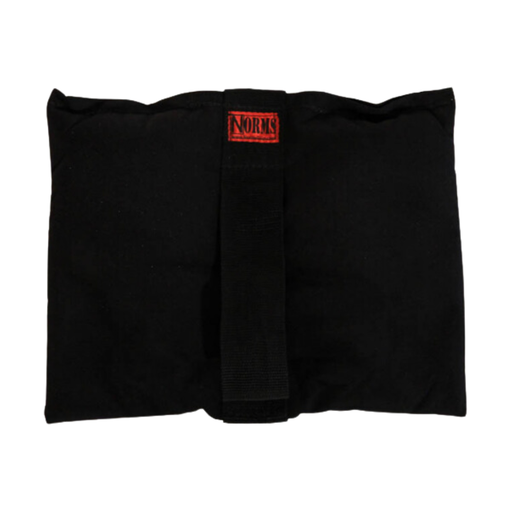
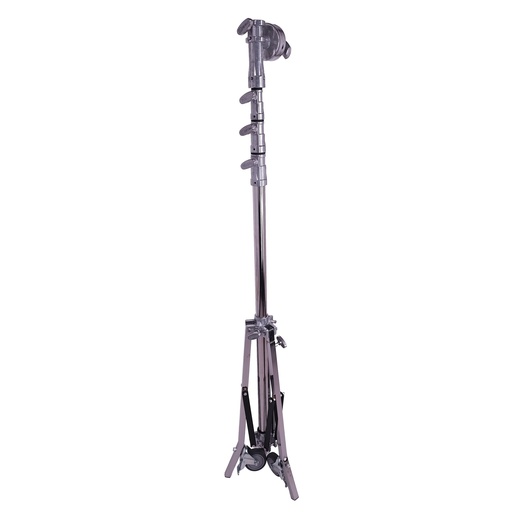
Hardware Engineered for This Rigging Standard
Frequently Asked Set Questions
Q: What are the 4 essential knots every working Grip must tie fluently?
Every grip relies daily on four knots: the Bowline (non-slipping fixed loop at anchor ends), Clove Hitch backed up with Half Hitches (anchoring rapidly to round Speed-Rail or combo stands), Trucker's Hitch (mechanical-advantage tensioning on high-wind frame guy lines), and the Square/Reef knot (joining equal rag ties cleanly).
Q: Why must Trucker's Hitch guy lines tie off below maximum brute-force pull on overhead frames?
A compound Trucker's Hitch gives roughly 2:1 to 3:1 practical mechanical advantage; pulling blindly with body weight bends high-riser top castings or racks thin corner ears out of square. Snug guy ropes taut like a low guitar string—never bow-bending tight.
Q: What is the difference between solid-braid polyester sash cord and #4 black trickline?
#8/#10/#12 solid-braid sash cord handles heavy exterior frame guying, hamper tie-downs, and bull-prick load lines with minimal UV stretch, while thinner black matte #4 (1/8 inch) polyester trickline ties overhead textiles, conceals camera harnesses, and bundles stingers without reflecting stage light.
VERIFIED REFERENCES & GOVERNING STANDARDS
Evidence Tier: T1 Cordage / Wind Safety Guidelines + T3 Canonical Grip Reference | Last Audited: 2026-11-22
VERIFIED IN HOLLYWOOD, CALIFORNIA, USA • EST. 1962
Rope Care, Cinema Knots & Trucker's Hitch Rigging Standards