GRIPEDIA FIELD GUIDE • Rigging Physics, Safety & Codes • HOLLYWOOD, CALIFORNIA, USA
Truss Bridles, ASME B30.26 Shackles & Chain Hoist Rigging (ANSI E1.2 / E1.6)
WLL vs. MBS design factors (5:1 & 10:1 overhead), 2-leg bridle apex angle amplification (why >120° multiplies load past 100%), screw-pin mousing, and Lodestar chain hoist checks.
Direct Field Answer: Overhead entertainment rigging requires sizing ANSI E1.2 aluminum trusses, ASME B30.26 alloy shackles, and BSR E1.6-1 chain hoists by stamped Working Load Limit (WLL) after applying 2-leg bridle angle amplification (
T = W / [2 · sin θ]) and keeping apex angles ≤ 90° (never > 120°).1. Two-Leg Bridle Angle Multiplier Reference (W = 1,000 lb Load)
| Included Apex Angle | Angle from Horizontal (θ) | Tension Per Leg | % of Total Payload Per Leg | Rigging Verdict |
|---|---|---|---|---|
| 30° (Narrow) | 75° | 518 lbs (1.04× half) | 51.8% | Clean near-vertical tension |
| 60° (Standard) | 60° | 577 lbs (1.15× half) | 57.7% | Optimal studio stage geometry |
| 90° (Caution Limit) | 45° | 707 lbs (1.41× half) | 70.7% | Acceptable with 1.41× WLL upsize |
| 120° (Red Line) | 30° | 1,000 lbs (2.00× half) | 100.0% EACH LEG | Hard engineering ceiling per ASME B30.9 |
| 150° (DANGER!) | 15° | 1,932 lbs (3.86× half) | 193.2% EACH LEG | PROHIBITED — acute structural horizontal shear |
2. Diagram: Bridle Apex Geometry & Overhead Design Hierarchy
3. Entertainment Overhead Inspection Laws (OSHA 1910.184 / E1.6-1)
- Load Through Spanset/Steel Around Top Beam Chord: Wrap structural stage beams with sacrificial burlap/Cordura wear pads to prevent sharp flange cutting on polyester roundslings.
- Shackle Crown vs. Pin Loading: Always bear single-sling loads inside the smooth rounded bow and hang the load or collector ring cleanly off the pin (maximum
45°leg spread inside bow unless rated for eccentric side-load). - Never Stand Beneath Live Moving Hoists: Inspect chain links for twist/stretch, confirm dual brakes test clean prior to trim height, and route power/signal control cables down vertical drop loops free of pinch zones.
GRIPEDIA ACADEMY • 100% FREE INTERACTIVE LAB
Practice This Standard & Earn Certification: Track 04: Camera, Optics & Dolly Rigging
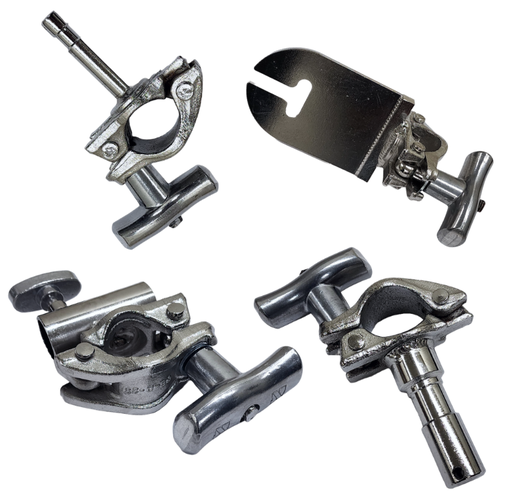
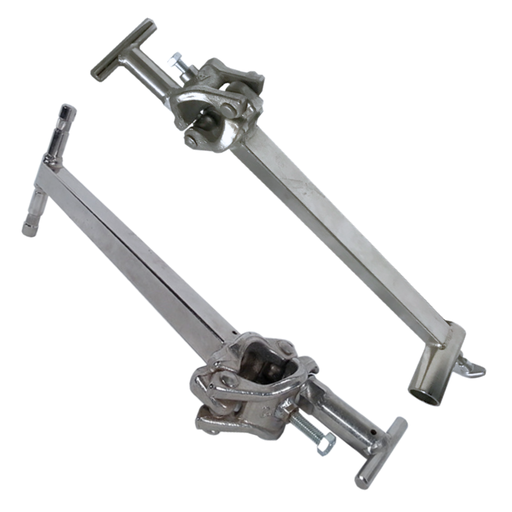
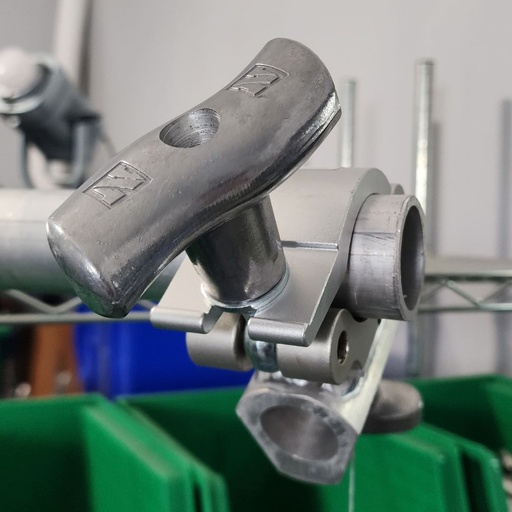
Hardware Engineered for This Rigging Standard
Frequently Asked Set Questions
Q: What is the critical difference between Working Load Limit (WLL) and Minimum Breaking Strength (MBS)?
Working Load Limit (WLL) is the maximum safe service load stamped onto a shackle or sling with its Design Factor (commonly 5:1 or 6:1 for alloy shackles, and 8:1–10:1 in entertainment overhead suspension) already divided out—never exceed stamped WLL in operation.
Q: Why should a 2-leg overhead bridle stay at or below a 90° apex angle?
At 60° apex, each leg carries only ~58% of vertical weight (1.15x half-load); at 90°, ~71% (1.41x); at 120°, each leg hits 100% of the entire suspended payload (2.00x); and at 150°, forces surge toward 1.93x full weight per leg, overloading anchors sideways.
Q: Do screw-pin shackles on vibrating overhead film rigs need wire mousing?
Yes. Any screw-pin shackle subject to line movement, wind vibration, or hoist motion can unscrew gradually—mouse pins securely through the collar hole to the bow using annealed steel seizing wire or swap to bolt-type cotter-pinned shackles (G-2130).
VERIFIED REFERENCES & GOVERNING STANDARDS
Evidence Tier: T1 ESTA/ANSI/OSHA/ASME Statutory Standards | Last Audited: 2026-11-22
VERIFIED IN HOLLYWOOD, CALIFORNIA, USA • EST. 1962
Truss Bridles, ASME B30.26 Shackles & Chain Hoist Rigging (ANSI E1.2 / E1.6)