GRIPEDIA FIELD GUIDE • Rigging Hardware & Clamps • HOLLYWOOD, CALIFORNIA, USA
Drop-Ceiling Scissor Clips, T-Bar Limits & Overhead Safety Wires
Why commercial suspended acoustic T-bars fail violently under un-safed loads, 15/16-inch vs. 9/16-inch T-grid compatibility, and mandatory true-deck structural safety wires.
Direct Field Answer: Office drop-ceiling scissor clips (
5/8" Baby stud) mount featherweight LED tubes without stands cleanly out of frame—but suspended T-bars are light trim, NOT structural steel. Always clip right beside an existing upper hanger wire, keep loads ultra-light (≤10–12 lbs), and loop steel safety cables straight to the true structural deck joists above.1. Suspended Ceiling Grid Mechanics (ASTM C635/C636 Reality)
| Grid Element | Typical Structural Role | Safe Gripping Rule |
|---|---|---|
Main Runner Beam (12 ft) | Hangs from true slab/joists on #12 hanger wires every 4 ft | Preferred clip zone (strictly within 6" of an upper wire) |
Cross Tee (2 ft / 4 ft) | Snaps lightly into main runners with thin folded tabs | HIGH RISK: Tabs unhook and drop entire ceiling bay if twisted! |
| 9/16" Fine-Line Architectural Grid | Narrow reveal trim found in modern corporate lobbies | Standard 15/16" clip jaws slip off—use micro-jaw adapter + full deck tie |
2. Safe Location Scissor-Clip 4-Step Protocol
- Lift an Adjacent Tile First: Wear clean gloves (oily prints ruin white mineral ceiling tiles!), lift one tile neatly aside, and trace exactly where upper structural joists, sprinkler lines (NEVER rig off sprinkler pipes!!), and electrical conduits run.
- Place Clip Next to Existing Support Wire: Snap scissor jaws squarely onto a Main Runner beside a vertical hanger wire. Tighten wing-nut snug cleanly without bending soft sheet metal flanges.
- Tie Independent Steel Safety Wire to True Structure: Run steel aircraft cable or heavy rated safety chain from your luminaire yoke upward through a
1/4"tile notch directly around a structural concrete eye, bar joist, or steel purlin (zero load resting on drywall/sprinkler piping). - Upgrade to Pipe / Toggle Spans for Heavy Lights: Anything heavier than a pair of 4-ft LED tubes requires lifting tiles completely out to drop a proper
1-1/2"Speed-Rail span or8'truss grid rigged cleanly off true building steel.
GRIPEDIA ACADEMY • 100% FREE INTERACTIVE LAB
Practice This Standard & Earn Certification: Track 04: Camera, Optics & Dolly Rigging
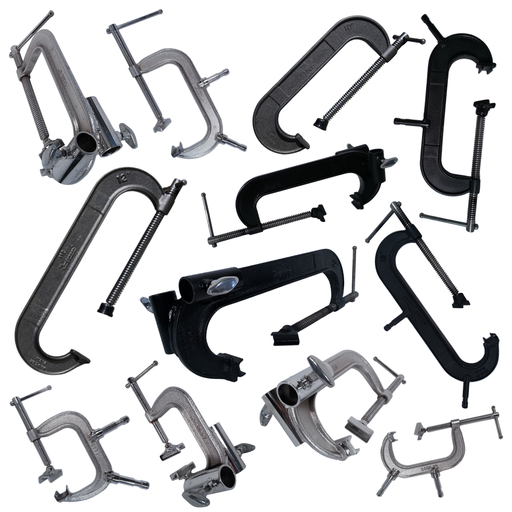
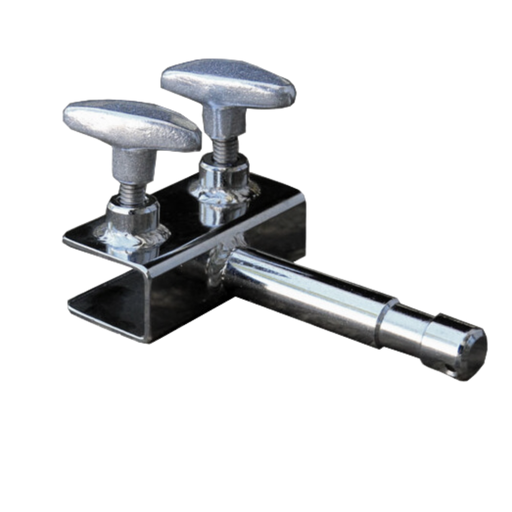
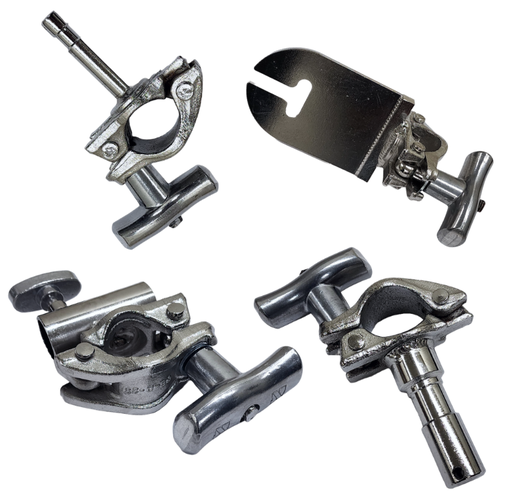
Hardware Engineered for This Rigging Standard
Frequently Asked Set Questions
Q: How much weight can an office acoustic drop-ceiling scissor clip safely support?
On a sound commercial 15/16-inch heavy-duty steel T-bar directly beneath a ceiling hanger wire, scissor clips hold ultra-light fixtures or tubes (~5 to 12 lbs maximum). Never suspend heavy COB fixtures or softboxes off un-supported cross tees.
Q: Where must your secondary steel safety wire tie off when using scissor clips?
Pop an adjacent acoustic ceiling tile open, inspect above the plenum, and loop a rated steel safety cable directly around a true structural floor joist, concrete slab concrete anchor, or primary steel I-beam—never back onto the fragile ceiling T-bar grid itself.
Q: What happens if you force a standard 15/16-inch scissor clip onto a narrow 9/16-inch architectural T-bar?
Standard wide-jaw clips cannot bite properly on narrow 9/16-inch designer grids, causing twisting slippage under fixture weight. Inspect track width before prep.
VERIFIED REFERENCES & GOVERNING STANDARDS
Evidence Tier: T1 ASTM Ceiling & ANSI Safety Standards + T3 Manufacturer Hardware Specs | Last Audited: 2026-11-22
VERIFIED IN HOLLYWOOD, CALIFORNIA, USA • EST. 1962
Drop-Ceiling Scissor Clips, T-Bar Limits & Overhead Safety Wires