GRIPEDIA FIELD GUIDE • Rigging Physics, Safety & Codes • HOLLYWOOD, CALIFORNIA, USA
Condor, Scissor Lift (MEWP) & Aerial Basket Lighting Safety
Condor wind limits (28 mph OEM ceiling), basket weight vs. cantilevered rail torque, 100% ANSI Z359 harness tie-off rules, and OSHA/Actsafe 10-foot overhead power-line clearances.
Direct Field Answer: Operating lighting lifts (Condors / MEWP boom & scissor lifts) requires certified CSATF #22 / OSHA 1926.453 operators, 100% harness tie-off inside boom baskets, grounding down at ≤ 28 mph gusts (sooner with mounted modifiers!), and observing ≥ 10 ft overhead powerline distances.
1. Aerial Basket Safety Matrix (OSHA / CSATF #22 / Actsafe #25A)
| Critical Parameter | Standard Compliance Threshold | Field Enforcement Rule |
|---|---|---|
| Max Operating Wind Speed | 28 mph (12.5 m/s / Beaufort 6) max OEM envelope | Measure continuously via anemometer; lower sooner if large frames/softboxes add sail drag |
Powerline Clearance (≤ 50 kV) | 10 ft (3.0 m) minimum edge-to-edge (15–35 ft >50 kV) | Spotter mandatory when booming near utility alleys or streetlamps |
| Basket Anchor & Tie-Off | Dedicated engineered OEM Basket Anchor Lug | NEVER tie harness lanyard off to adjacent trees, trusses, or guardrail tubing |
| Feeder Cable Strain Relief | Dedicated basket strain-relief loop / Kellems grip | Never let heavy 4/0 Cam-Lok feeder weight hang dead off fixture switches or rails |
| Ground Outriggers / Cribbing | Level firm ground (≤ 5° tilt sensor alarm) | Deploy thick steel/timber cribbing pads across soft dirt, asphalt lawns, or curb lips |
2. Rigging Lamps to Basket Rails Cleanly (US20080302933A1 Principles)
- Center Heavy Mass Low & Inboard: Keep HMI ballasts, Bates splitters, and cable coils centered squarely inside the basket deck rather than hanging over front rails.
- Use Dedicated Rail-Clamp Speed-Rail Brackets & Safety Chains: Lock lamp pipes across both upper and lower basket rails (
reducing cantilever bend on thin tubular top rails), seat Junior receivers upright, and clip independent steel safety cables directly around true basket structural uprights + luminaire yokes. - Zero Ladders or Milk Crates Inside Lifts: Never stand on basket mid-rails, apple boxes, or step-ladders to gain two extra feet—always reposition the boom or move the chassis cleanly.
GRIPEDIA ACADEMY • 100% FREE INTERACTIVE LAB
Practice This Standard & Earn Certification: Track 11: SFX Wet-Set, Rain & Wind
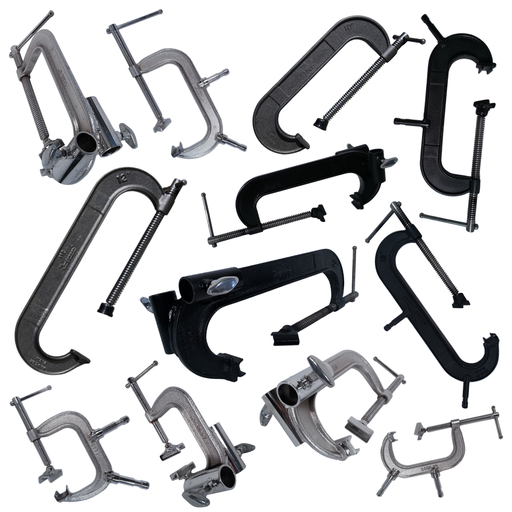
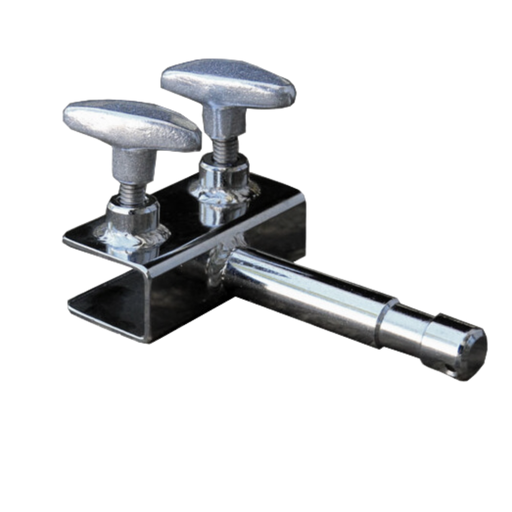
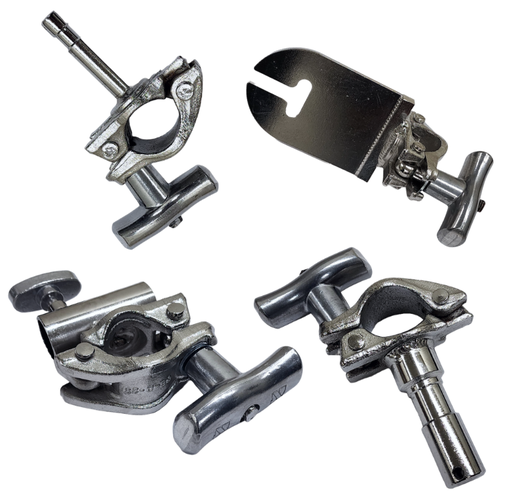
Hardware Engineered for This Rigging Standard
Frequently Asked Set Questions
Q: What is the minimum safe clearance between an aerial lift boom/fixture and energized overhead power lines?
Under OSHA 1926.453/1926.1408 and Actsafe Bulletin #25A, maintain at least 10 feet (3 meters) minimum approach distance for lines up to 50 kV—and scale wider dynamically (up to 15–35+ ft) as distribution/transmission voltage rises or if wind sways lines.
Q: Do boom lifts (Condors) and scissor lifts have identical fall-arrest harness requirements?
Boom lifts (MEWP Group B) strictly mandate wearing a full-body harness attached via energy-absorbing lanyard or self-retracting lifeline to the OEM-rated anchor point inside the basket at all times; guardrails are primary protection on scissor lifts unless site/studio rules enforce harness tie-in.
Q: Why should fixtures never be clamped onto a Condor basket mid-rail without basket-floor load distribution or counter-balancing?
OEM rated basket payloads (typically 500 to 1,000 lbs including operators, ballasts, feeders, and lamps) drop drastically when heavy HMIs/18Ks extend horizontally outside basket guardrails, inducing rotational tipping moments.
VERIFIED REFERENCES & GOVERNING STANDARDS
Evidence Tier: T1 OSHA/CSATF/Actsafe Statutory Regulations + USPTO Prior Art | Last Audited: 2026-11-22
VERIFIED IN HOLLYWOOD, CALIFORNIA, USA • EST. 1962
Condor, Scissor Lift (MEWP) & Aerial Basket Lighting Safety